Chapter 04 · Paintwork Fusion Bonding
Bonded without compromise. Removed without trace.
No adhesives. No glue residue. No peeled clearcoat. Just a molecular bond engineered to hold firmly and release cleanly when the moment comes.
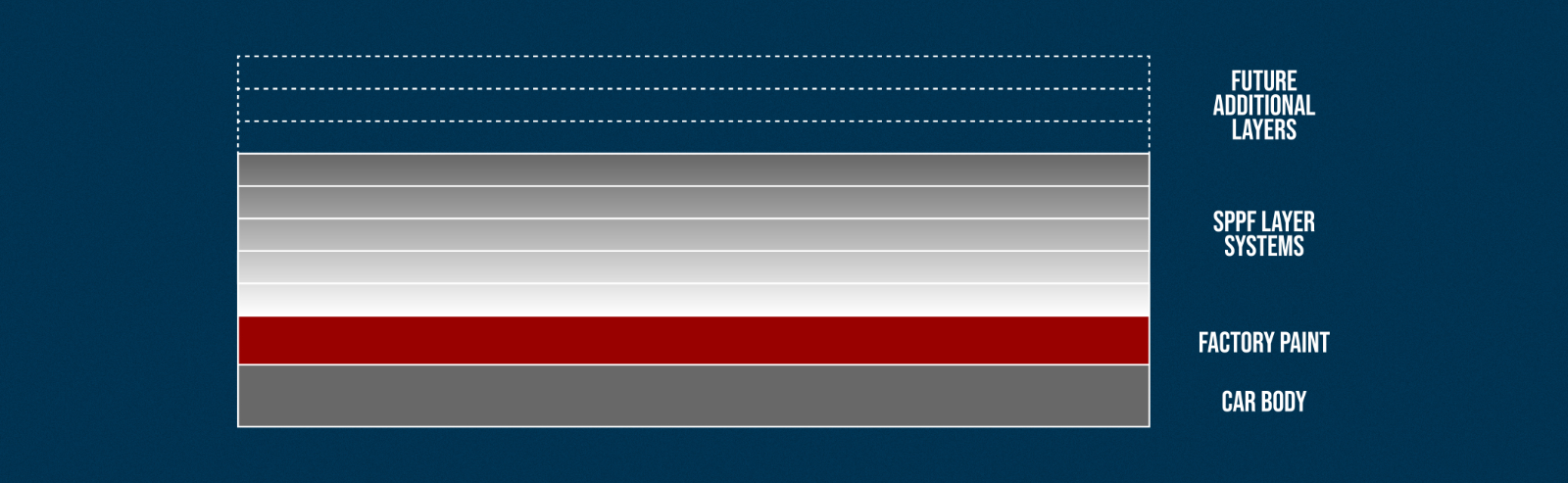
No adhesives. No glue residue. No peeled clearcoat. Just a molecular bond engineered to hold firmly and release cleanly when the moment comes.
Every traditional paint protection product makes the same trade. Adhesive strong enough to hold for years means adhesive strong enough to damage paint on removal. Owners who invested in PPF or wraps know the story: what protected the car for five years is the same thing that compromises it on the way out.
Vinyl wraps pull clearcoat. Old PPF yellows and tears. Ceramic coatings over-etch when stripped. The industry called this a necessary cost of protection. We called it a solvable problem.
"Protection shouldn't hold your paint hostage."
Conventional films rely on acrylic adhesives to stick. SPPF uses a molecular fusion bond, a thin interface that interlocks with paint's surface chemistry without penetrating it. The hold is derived from chemical compatibility, not mechanical grip.
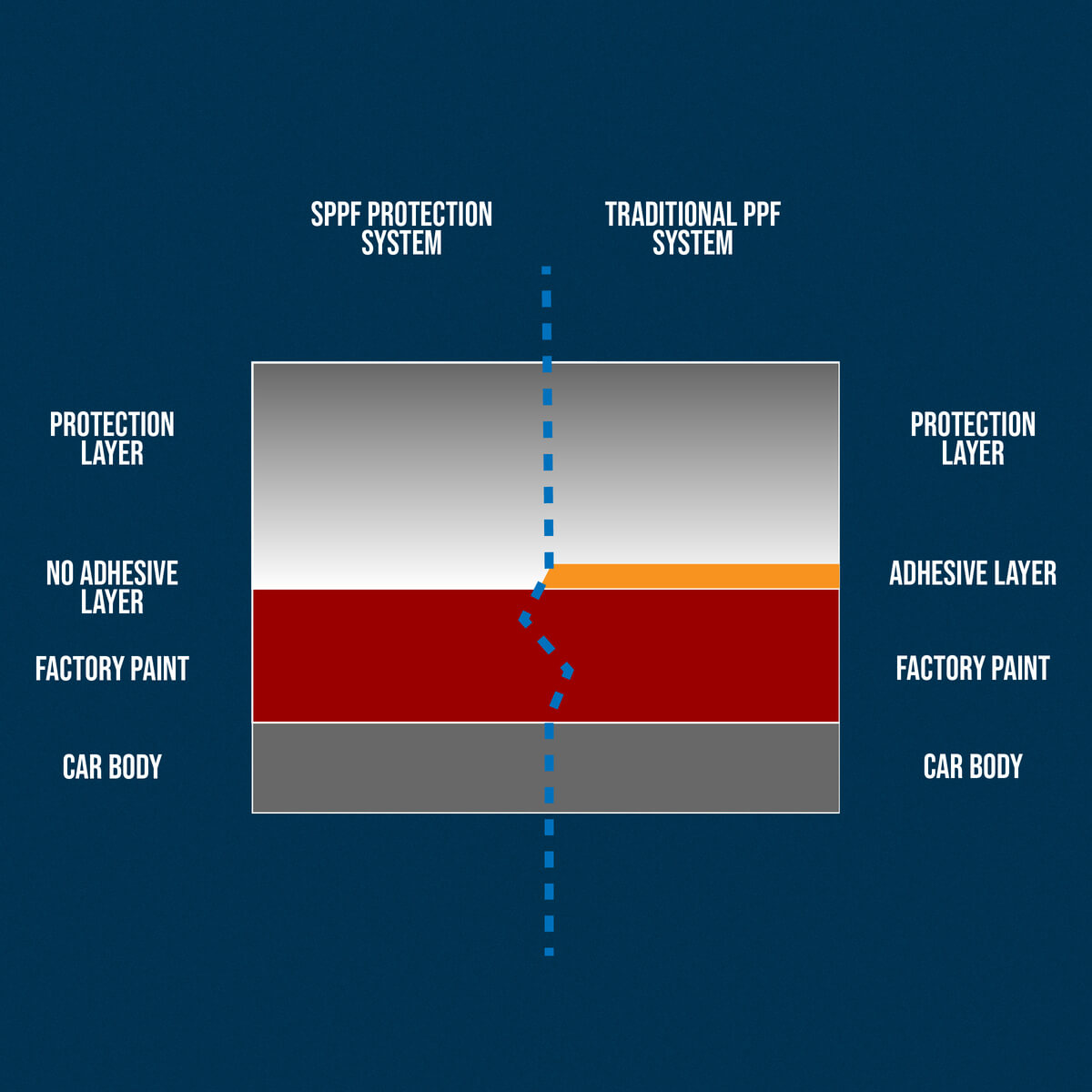
Every stage of the bond's existence is engineered for a different purpose.
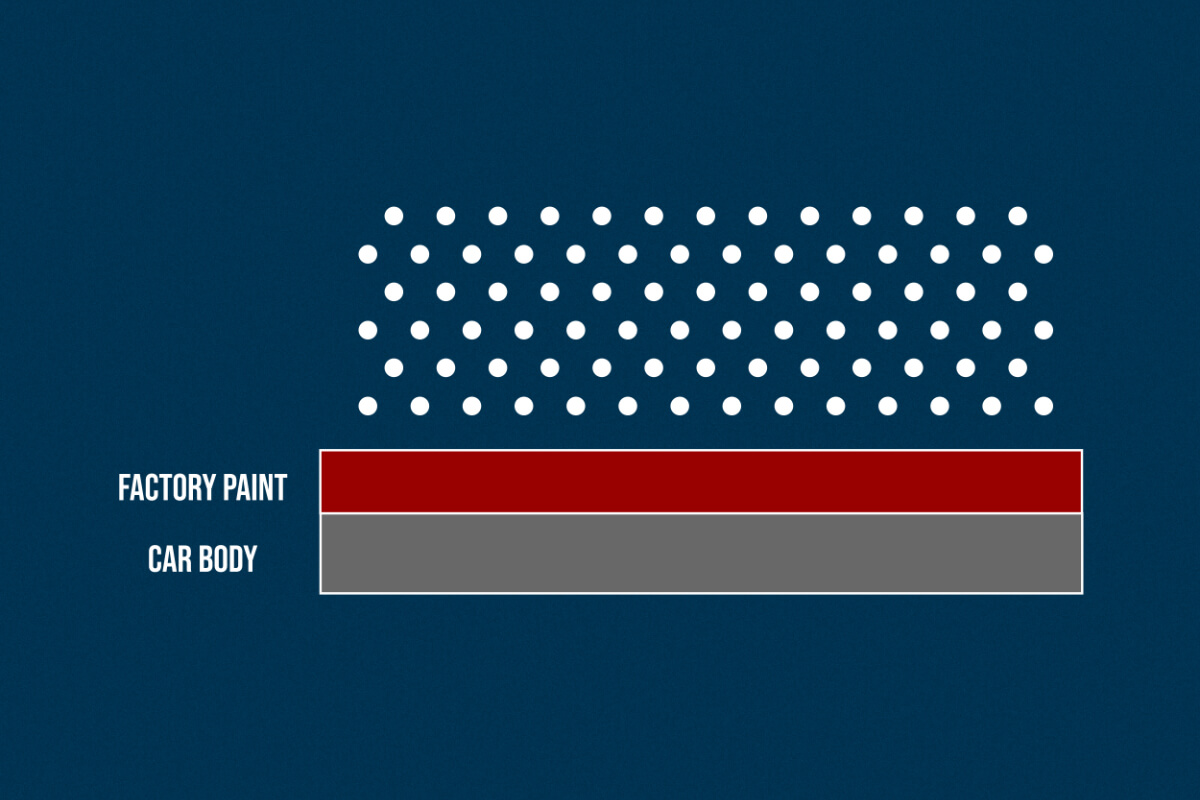
During application, SPPF particles arrive at the paint surface in liquid form. As curing begins, they don't "glue" to the paint. They integrate with its surface chemistry, forming a thin fusion zone. The film becomes part of the surface's molecular structure without penetrating the clearcoat.
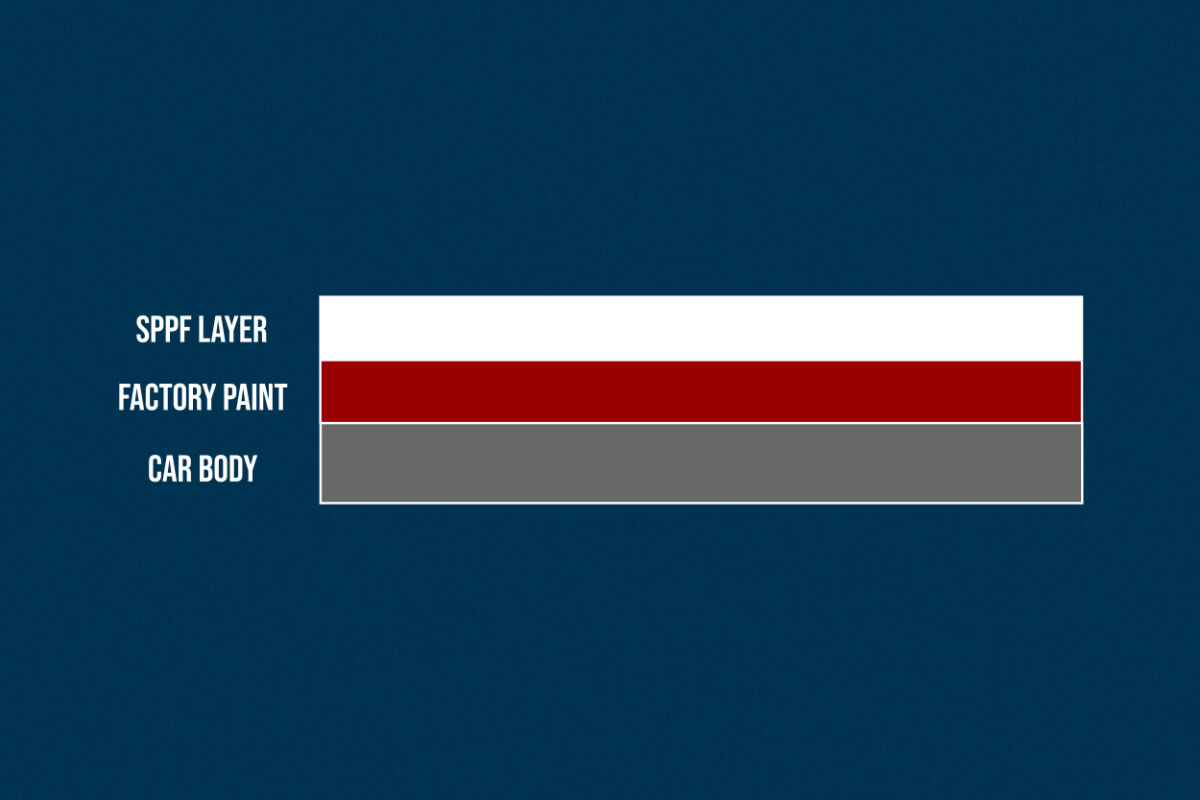
Once cured, the fusion bond is engineered to resist the forces a car typically encounters, including heat cycling, vibration, pressure washing, and chemical exposure. The molecular interlock is designed to maintain structural integrity across years of use because it isn't "stuck on," it's chemically integrated.
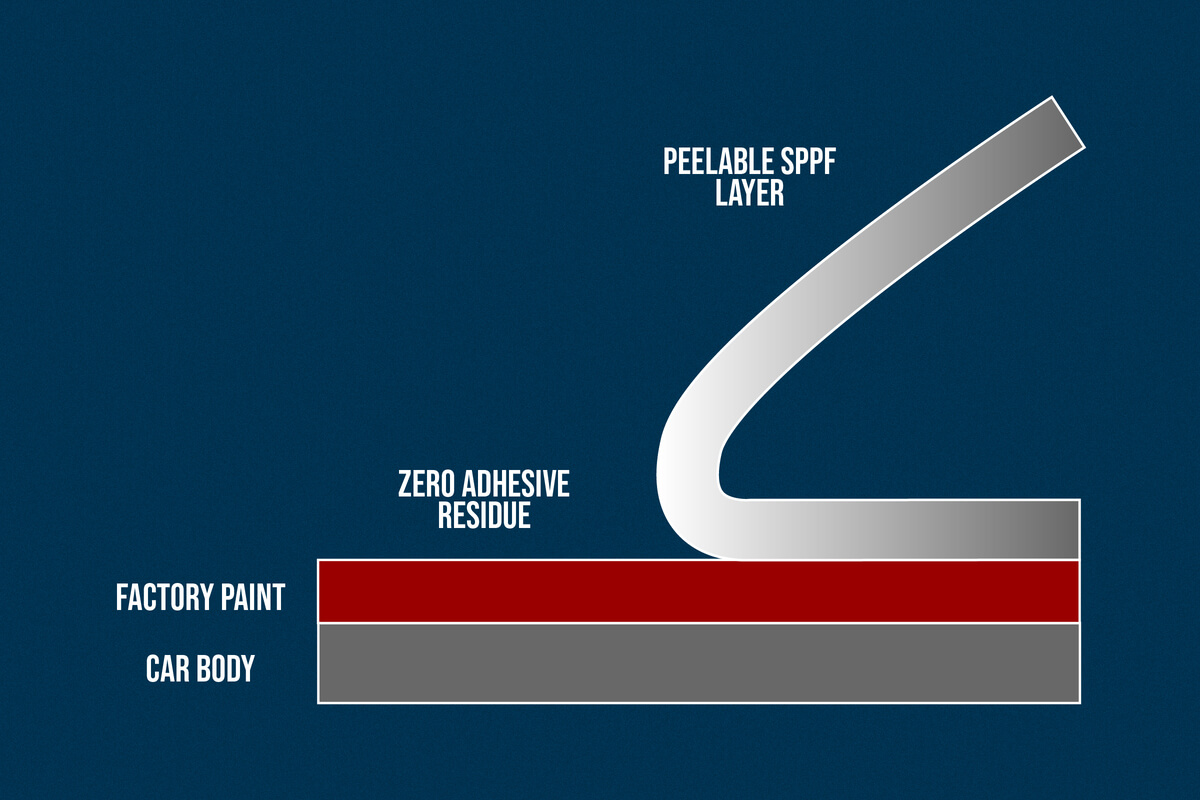
When removal is needed, for renewal, recolouring, or a new owner, the film is designed to peel cleanly in continuous sheets, without solvents, clearcoat lifting, or sticky residue to compound out. The paint surface underneath is intended to emerge in the same condition it went in, because the bond does not penetrate past the fusion interface.
SPPF's fusion chemistry is designed to work across a broad range of automotive finishes. Whether your car wears factory OEM paint, a custom colour from a restoration shop, or a fresh metallic respray, the bond is engineered to form cleanly and release cleanly on every compatible surface.
Fusion Bonding matters most at the transitions — application day, mid-life adjustments, and eventual handoff.
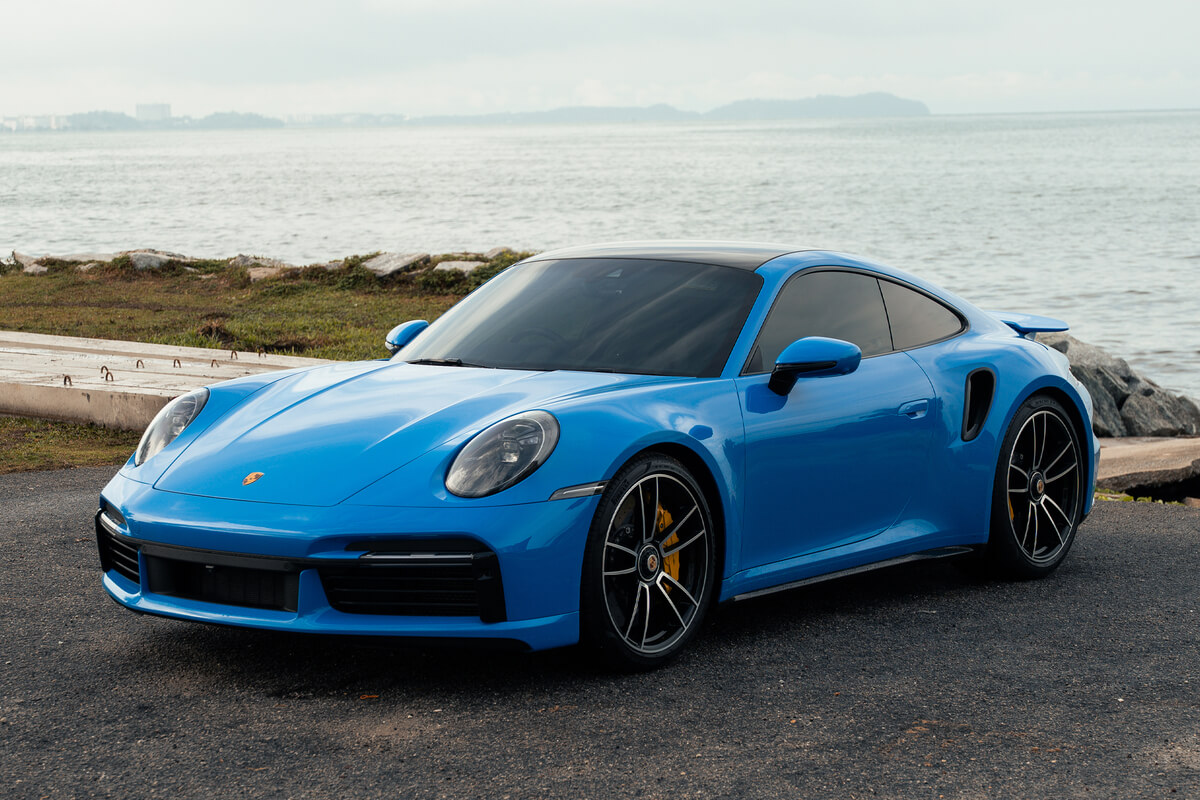
You've picked up your car from the dealer. The paint is flawless. Your last worry should be that a protective film will somehow damage what you're trying to protect. With Fusion Bonding, that anxiety is groundless — nothing in the bond process risks the factory clearcoat, during application or at any future point.
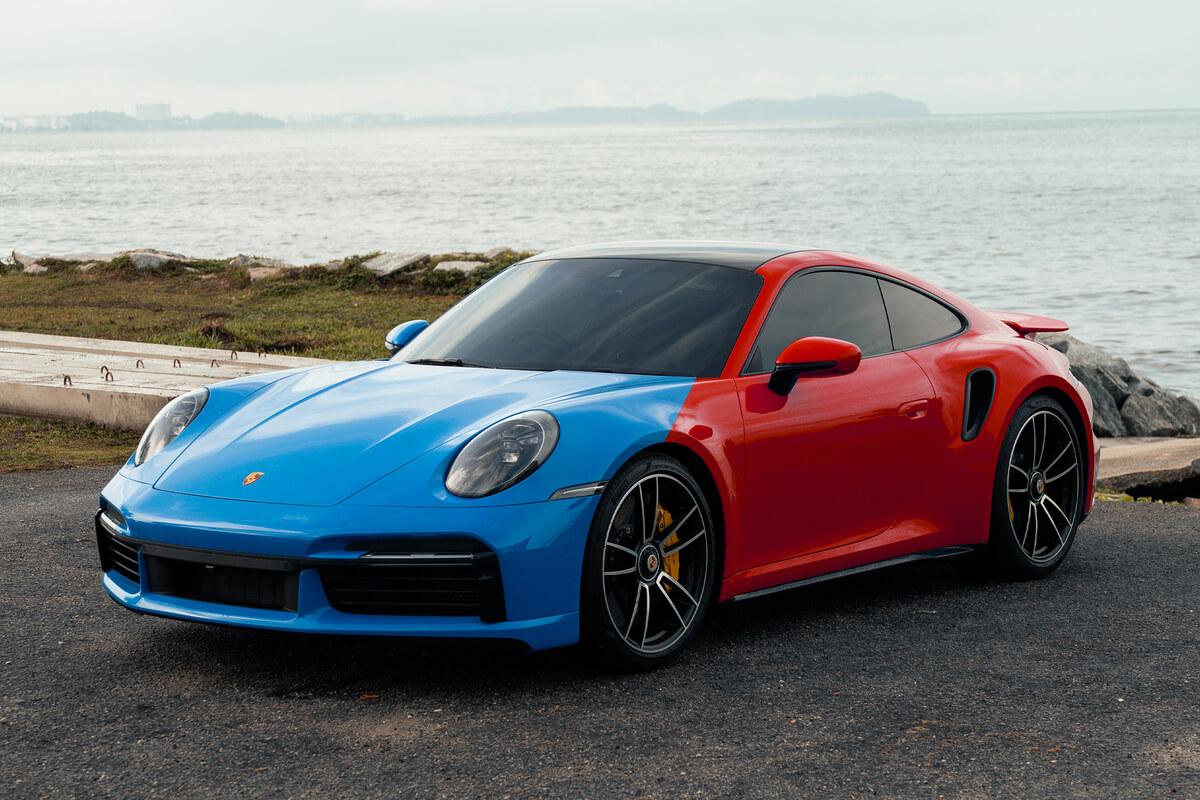
You want to switch from gloss silver to matte emerald without repainting. With traditional vinyl wrap, removal risks the base coat. With SPPF's Fusion Bonding, the old colour layer peels away cleanly — and a new SPPF system is sprayed directly onto the original factory paint underneath, now ready to hold a new identity for another decade.
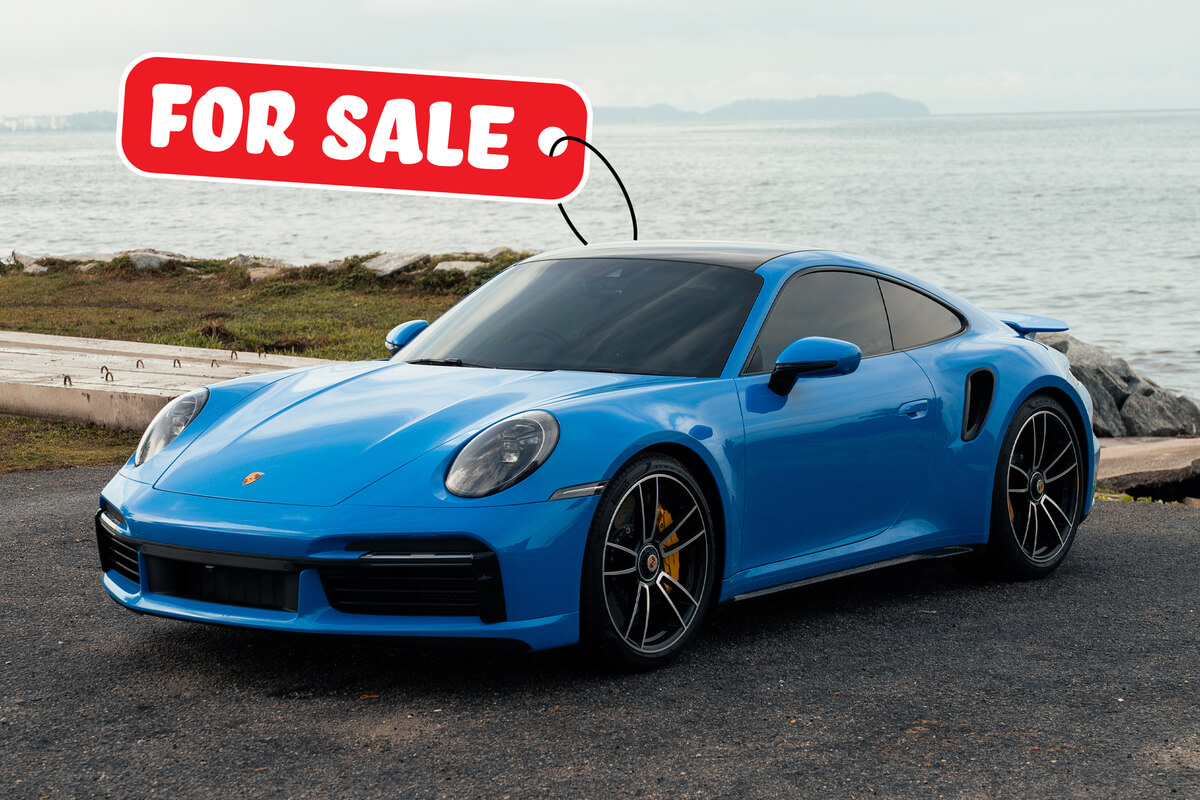
Some buyers want the protection transferred. Others want a clean paint surface. Either way, SPPF can be removed entirely, revealing the factory paint as it was on application day — no yellowing to explain, no adhesive residue to buff out, no story to tell. For long-term collectors, this is the only protection strategy that doesn't compromise provenance.
A common misconception is that good protection should be obvious. You should be able to see it, feel it, know it's there. The opposite is true here. The design goal for a removable system like SPPF is that when it's eventually removed, there is as little evidence as possible that it was ever there.
"A car with SPPF removed is designed to look close to one that was never treated. That's not a bug, that's the intent."
Whether you're protecting a new car, evaluating SPPF for a collector vehicle, or asking about removal scenarios, our specialists will walk you through exactly how Fusion Bonding behaves on your specific paint system.