Chapter 03 · Renewable Surface Engineering
Wear has a memory. We delete it.
Swirl marks, surface dulling, accumulated micro-abrasions. SPPF doesn't just protect against them — it restores everything they've ever touched.
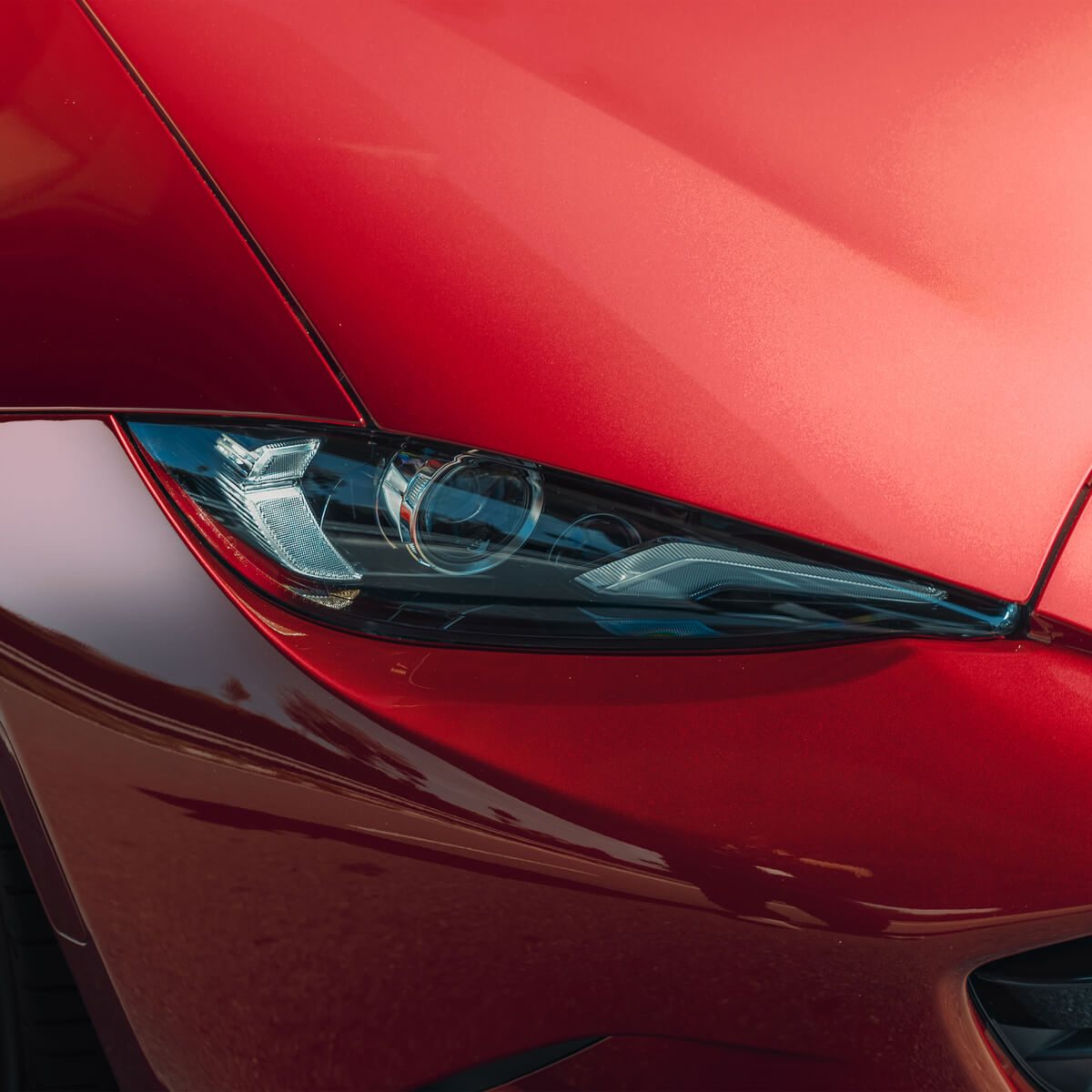
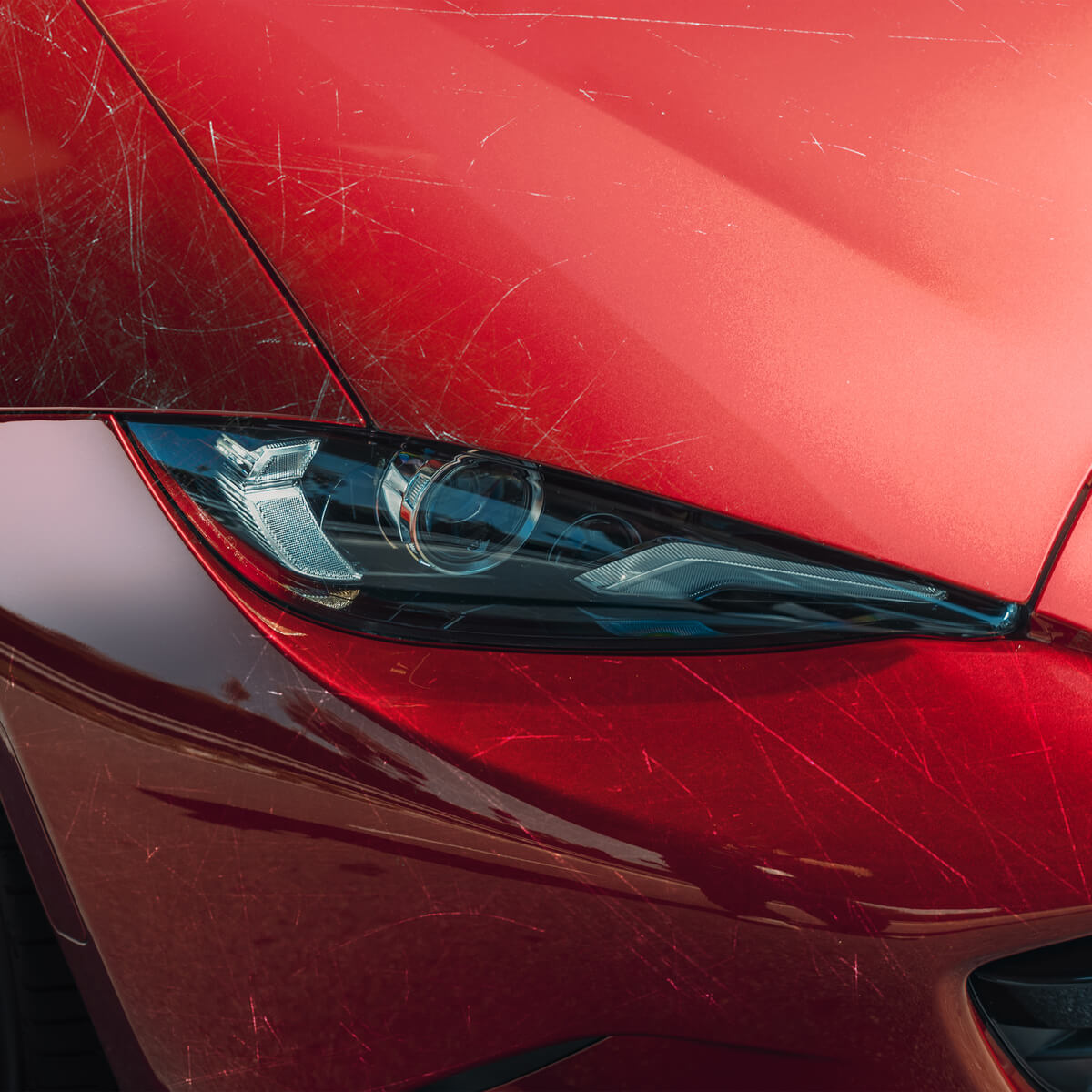
Swirl marks, surface dulling, accumulated micro-abrasions. SPPF doesn't just protect against them — it restores everything they've ever touched.
Every wash mark. Every automated car wash. Every careless wipe with the wrong cloth. Every minor curb brush in a tight parking space. Surface damage accumulates faster than owners realise — and for most protective systems, once it's there, it's permanent.
Traditional PPF yellows. Ceramic coatings etch. Vinyl wraps develop edge lift. The best an owner can do is delay the inevitable, then accept it.
"What if wear was something your car could recover from — not something it carried forever?"
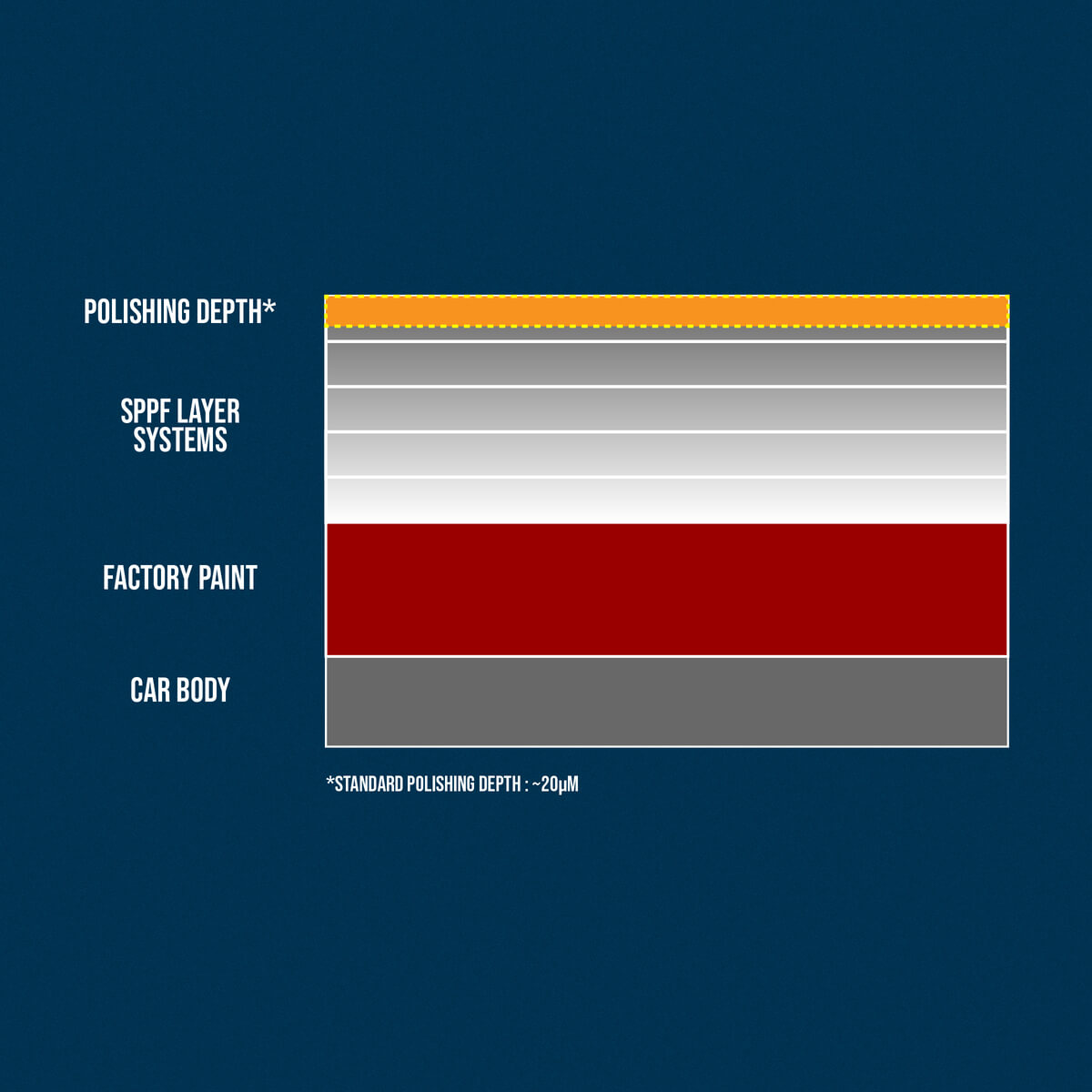
Under magnification, what looks like "my car has gotten dull" is actually thousands of microscopic abrasions in the top few microns of surface. SPPF's renewable architecture means these abrasions live in the sacrificial layer — not in your paint. Which means they can be polished away without reducing your original factory paint.
Renewal isn't guesswork. It's a precise three-stage protocol performed by certified specialists.
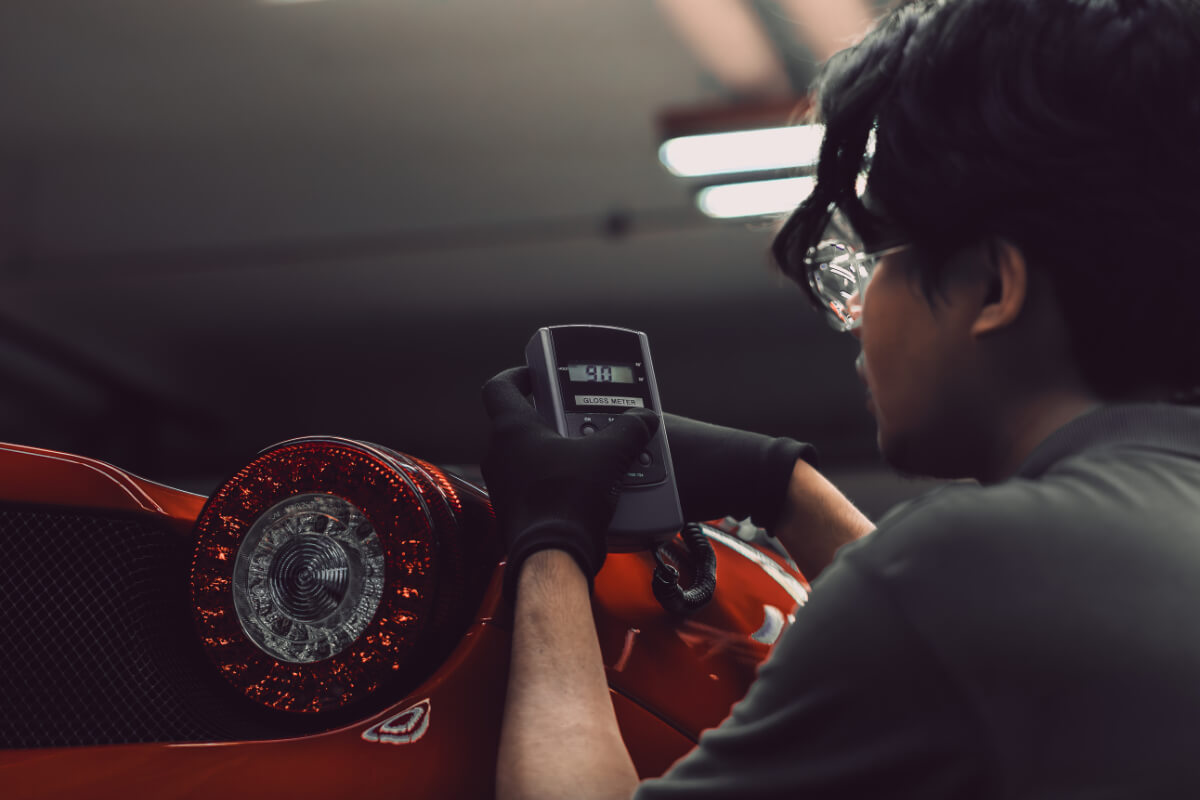
Certified specialists conduct micron-level surface analysis using paint depth gauges and high-intensity inspection lighting. Swirl marks, scratches, haze, and finish degradation are mapped across every panel. Renewal isn't applied uniformly — it's applied precisely.
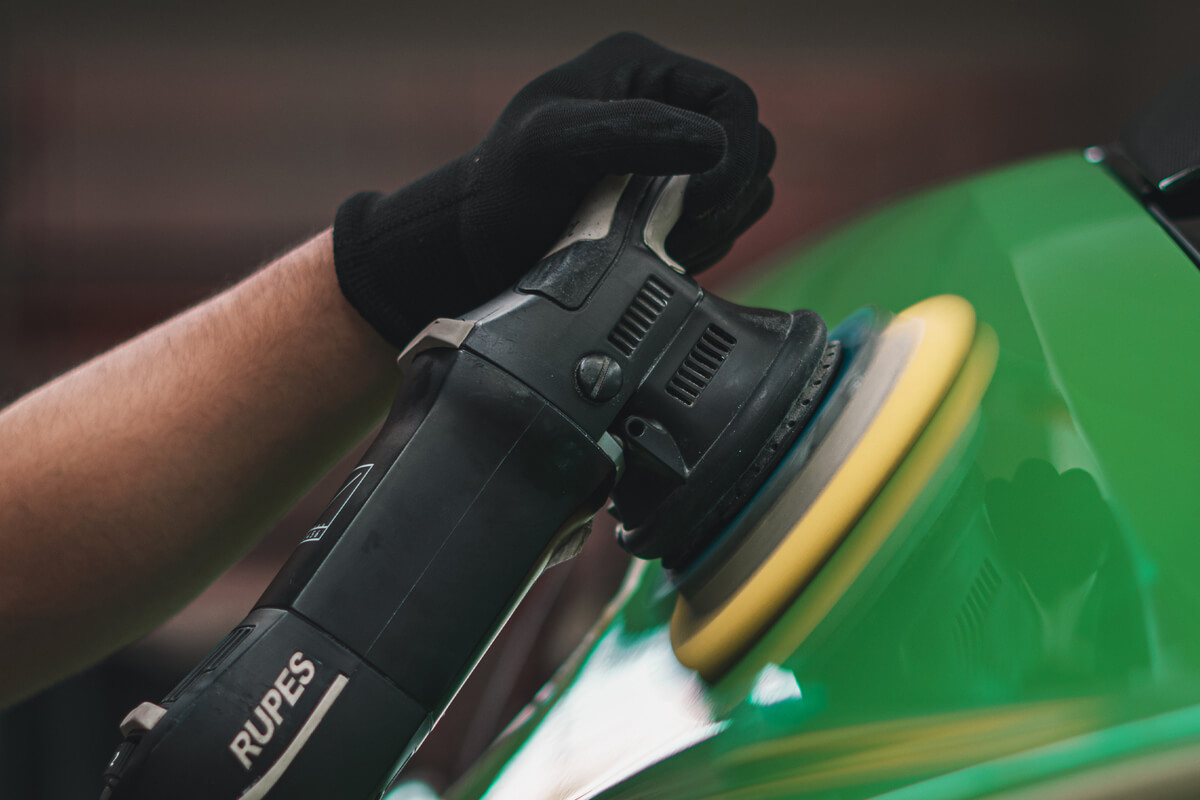
Specialists use SPPF-specific compounds and machine polishing technique designed to work within the sacrificial finish layer. Abrasions resolve. Gloss restores. The protective strata beneath remain structurally untouched. Your factory paint was never even in the room.
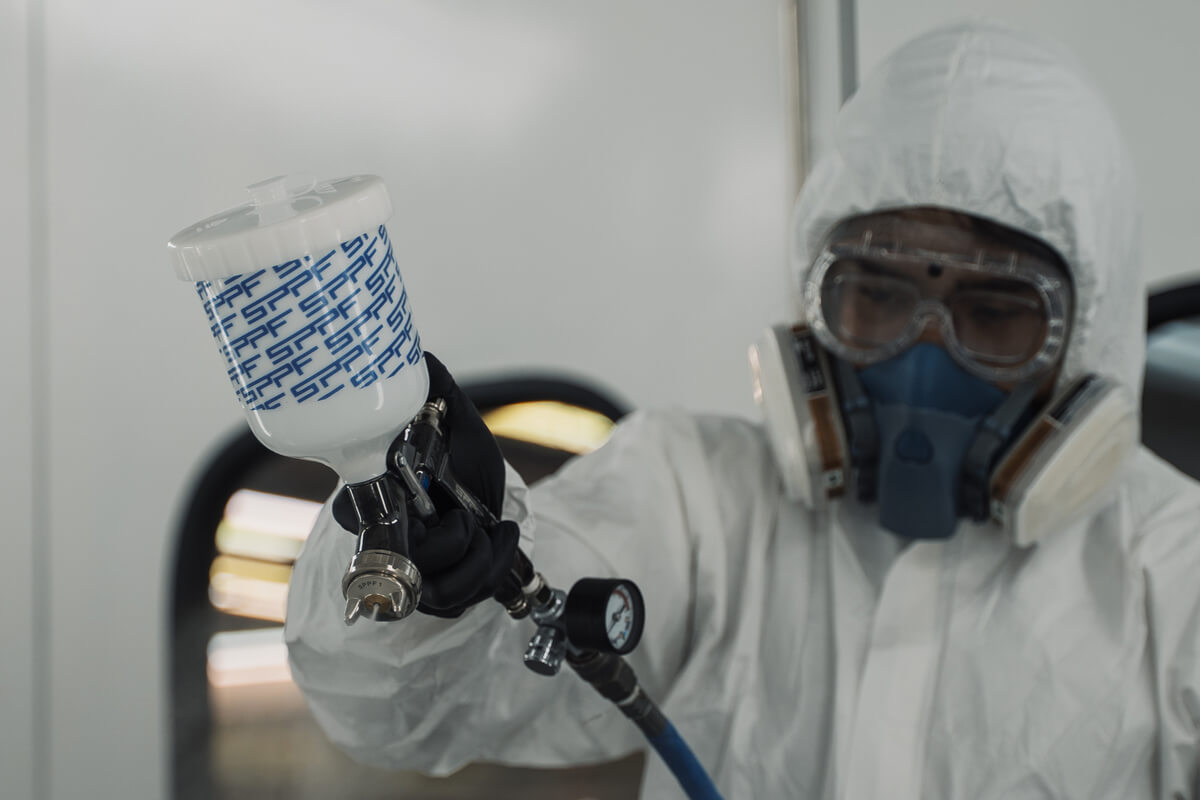
After rejuvenation, the surface is sealed with a protective topcoat compatible with SPPF's chemistry. The clock resets. Your car looks as it did when it left the application studio — and the ownership cycle can continue for however many years you keep driving it.
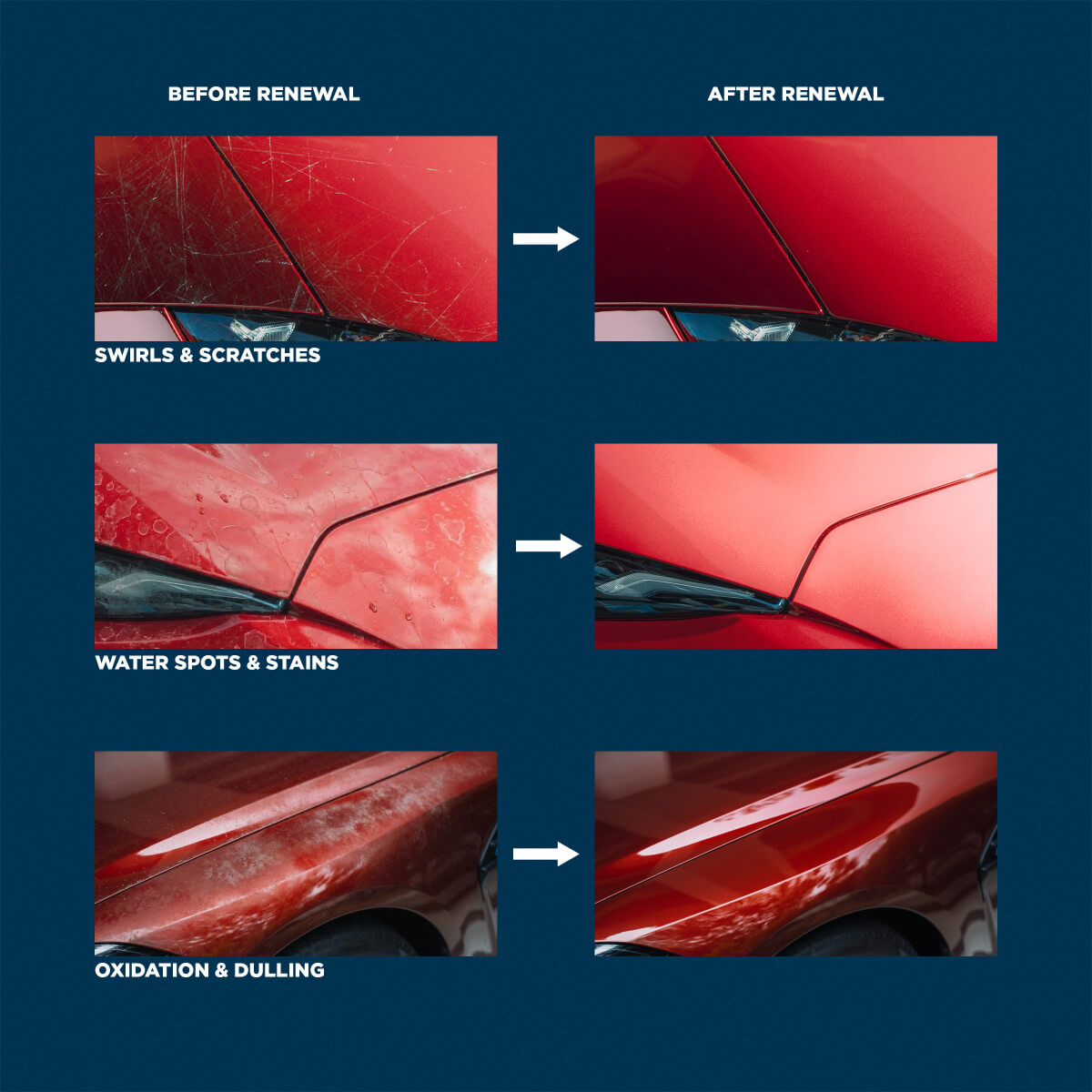
Renewal targets the sacrificial finish layer, the outermost part of the SPPF system, so these issues are corrected there rather than on your factory paint.
This is a conceptual comparison, not a lab measurement. It illustrates the shape of the difference: gloss declines for every surface, but only a renewable one gets to reset that decline instead of just slowing it.
The traditional paint protection industry treats surface wear as a terminal condition — the day your film yellows is the day it must be replaced. SPPF inverts that logic entirely. Wear is feedback about how you've used your car. Renewal is the system responding.
"The best-protected car isn't the one that never gets used. It's the one whose protection can gracefully absorb use and return to baseline."
Whether your SPPF is 18 months old or 5 years old, our certified specialists can perform a surface assessment and recommend the right renewal protocol for your car's current state.